
I just want to pay for the thing
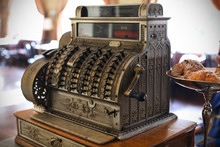
I just want to pay for the thing. Really. I want the service/product/utility. Just let me PAY for it.
…I don’t want to go through fifteen prompts before my purchase is finalized.
…I don’t want to sign up for a program.
…I don’t want to donate to your xyz cause.
I just want to pay.
Maybe I’m getting old – or something – but the promise was, before modernity invaded us fully, that technology was supposed to make things faster, more convenient. When I pay my bill online, I want it streamlined. When I use my debit or credit card at the register? SAME.
But somehow, somewhere along the way we’ve allowed the capitalist systems we interact with to become prompt-hellscapes.
Let me show you what I mean.
The Never-Ending Loop of Phone System Prompts
Today I received a letter that Liam’s insurance policy lapsed. I already paid for it about a week ago but the letter sent me into a pit of existential dread. The holidays had me some sort of way and time sped up and I realized sometime about a week ago I needed to make payment. I did so successfully.
Or so I thought.
After today’s notice receipt I placed a phone call to [our insurance company]. I immediately requested a “service advisor.”
Then I still had to go through no less than 8 prompts to get to the customer service agent – the request I made initially.
THEN when she finally gets on the line with me she proceeded to repeat the same questions that I had just answered in the automated menu.
Are you seeing what I’m getting at here?
So I oblige. It’s fiiine. It’s FINE.
Then our previously flawless connection gets muddled. I myself was using our solid VOIP (voice over internet line) which I affectionately call our “land line” although it is nothing of the sort. Our VOIP phone line that is practically solid state at this point so I am 99% sure it wasn’t my end. I request her to call me back (because the thought of going through seven layers of tech hell again just made me tweak a little).
She doesn’t call back. Clearly she didn’t hear me (or maybe she ignored me – either way she gets the benefit of the doubt).
I decide, well I have the online option – may as well check. Mind you all I really want to do is make sure the policy is still in force – I wasn’t convinced that online could give me a solid answer but I checked in case I am owed a refund and shit out of luck.
But that required authentication where a code came to my cell phone. NOT a regular phone.
So far? A total of at least 14 prompts just to make sure that the policy I was told wasn’t lapsed is still not lapsed.
Finally. Online statement reads “Next payment due: xx/xx/xxxx.”
So I guess it didn’t lapse but I don’t have verbal confirmation about this. And I’m paranoid about this because when I worked as a hospice nurse not-so-long-ago one of my patient families told me that her mom (my patient, on her literal death bed) kept making insurance payments to a policy that had lapsed like a decade prior (the term was up is what she explained to me) and the mom just kept paying.
And they kept taking money!
And when the daughter (who I was speaking to) called the insurance company to get that money refunded. No bueno!
So I also want to avoid that sort of situation since we are nearing 20 years on this policy.
Fourteen prompts. A disconnected call. Cell phone authentication. No human confirmation. Just an automated statement that may or may not be accurate.
To verify what I already knew: I paid.
This is what “convenience” looks like now.
The Good Ole Days – You Know When You Just Paid For the Thing
I’m old enough to remember when paying for things was simple.
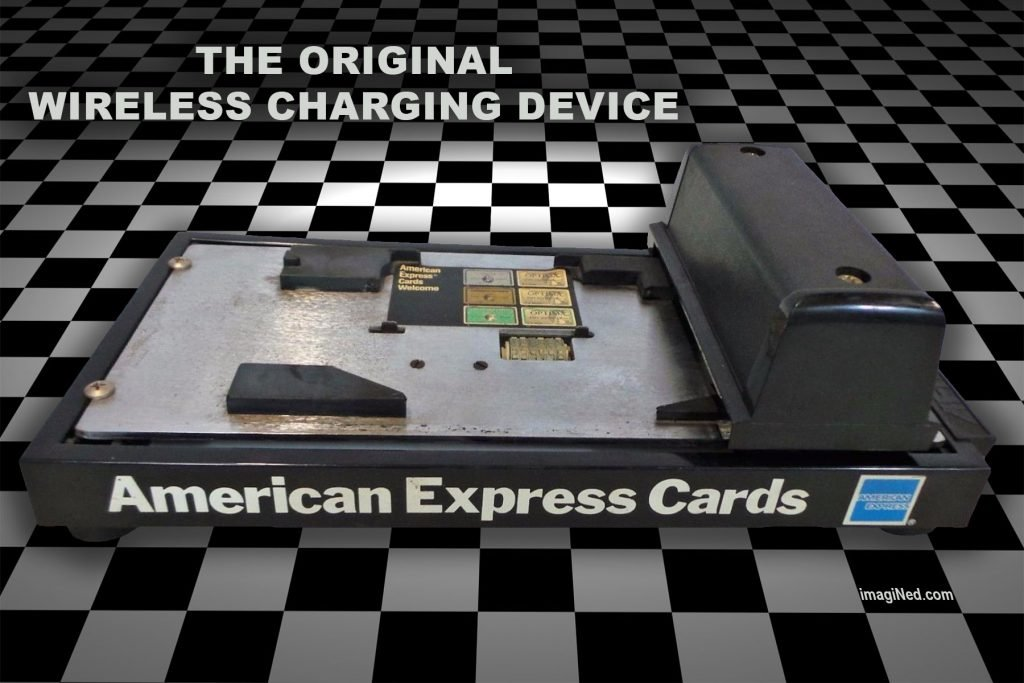
1990s
You take card out of wallet, swipe card, cashier would look at it, sometimes ask for your ID, sometimes they’d use that credit card imprinter (the entire reason the numbers were raised on your credit card). You’d sign a paper slip. Leave. Took maybe 45 seconds to a minute in total depending on the cashier’s efficiency.
The cashier did their job. You did yours (paying for the thing you’re buying), easy peasy, transaction complete. You walk out with the thing. Good times.
OCCASIONALLY you’d be asked to apply for a store credit card. It wasn’t hard to say no if you weren’t interested. There was no heavy handed suggestive selling of the thing. If you didn’t want it, you didn’t get it. No harm, no foul, no one got upset that you said “no” to getting more credit – the store card push wasn’t a push in as much as a gentle prod. There was no cashier incentive for them to push the store card. It was mostly for the customer’s convenience.
Early 2000s
Chip cards arrived. “More secure!” they said. Except now: insert, wait, remove. Slower, but okay, security matters.
Late 2000s
Questions while you were waiting to check out started being asked. Simple, seemingly convenient oriented questions at first: “Would you like your receipt emailed?” Truth? This was their first harvest of your info. They wanted your contact info. They even wrapped it up in an environmentally friend package and called it “going green.”
The reality? They were building a marketing database.
2010s
Toward the very end of the decaade – self-checkouts begin to become a thing. The Rewards programs? Anywhere and everywhere. Even your gym would have some variation of a Reward program at their smoothie bar.
Tap-to-pay became more of a thing. Apps became available for just about everything. “Faster!” “Easier!” “Convenient!” “More secure!”
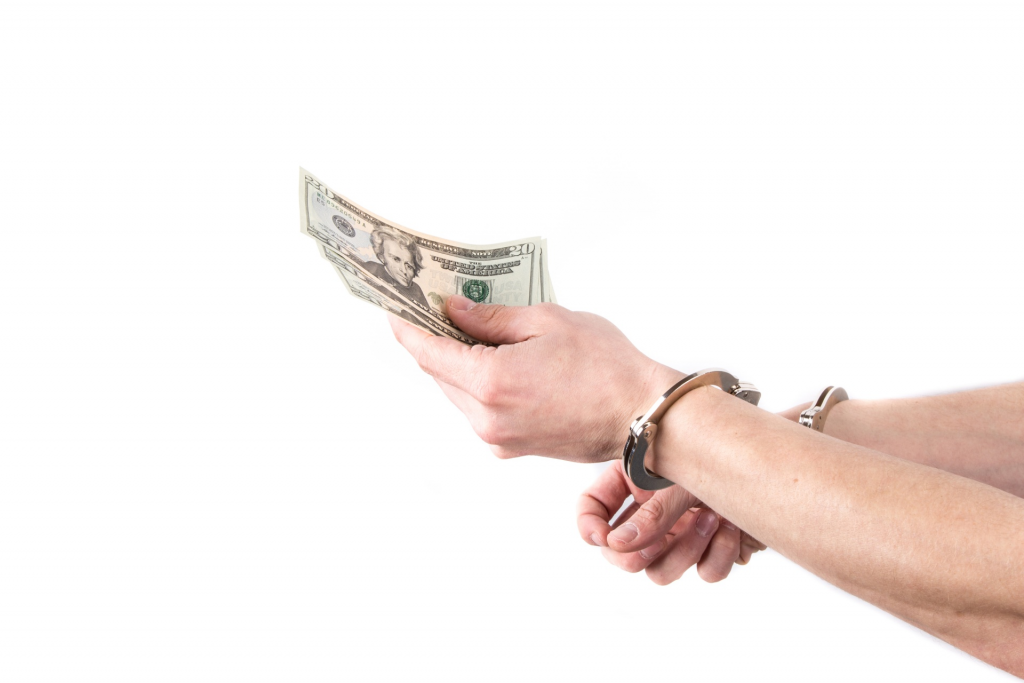
What they meant: Self-checkout? You’re doing the cashier’s job now. For free. While we harvest your data. While we eliminate their position. And if you mis-scan something or forget to scan something? We’ll arrest you, never mind that we’ve been extracting your labor from you every time you check out.
2020s
In case you thought self checkout is bad we welcome you to full prompt hell. Every transaction a gauntlet. Every screen a negotiation. Every purchase is a 1:1 board meeting with yourself about micro-decisions you never asked to make and really don’t want to.
Certainly technology has improved and payment processing is genuinely faster now.
In the meantime big corporate America saw opportunity: Harvest data from our customers. Eliminate jobs and thus reduce our payroll. Extract free labor from our customers. Exhaust our customers into compliance. Hell: ask for donations via social pressure in order to create tax savings via “We contributed over $5 million last year to end hunger.”
No sir, your company asked for customer donations – your customers raised over $5 million last year, not Big Corporation.
The truth is all the “convenience” became a thinly veiled cover for extraction: of time, energy, money.
And if you raise your voice to complain or point it out? YOU! You’re the problem! You’re “resistant to progress.” You’re “making it harder than it needs to be.”
No. It’s a system designed to be harder. For profit. BY DESIGN.
What’s Actually Being Extracted From Customers
Let me be specific about what they’re taking from you. Because every prompt = theft. Different forms, same result.
From payment prompts they get your email address – your shopping habits – your payment preferences – your phone number – your unpaid labor – your guilt => your money => their tax donation => their tax write-off => your tracking => your autonomy => your paper trail
Your email address
“Would you like receipt emailed?” you may think, “Sure, why not. Save the receipt in a form in which I can look up anytime. Except:
- You give your contact info
- They get your email to
1) spam you forever
2) sell to advertisers
3) build data profile
4) track purchase history across platforms - The result? You get a cluttered inbox filled with targeted ads, forever and ever (because we know “unsubscribe” doesn’t ensure that your email address isn’t being sold still bundled in groups of a thousand with others just-like-you.
Your shopping habits:
- What you buy, when you buy what you buy, how much you buy and the payment methods you use most often
- This info is data mined, sold to marketing firms, banks and credit companies. Not once or twice but forevermore. Like, in perpetuity.
- Your purchases are their profit TWICE! Once when you buy what you buy. Then once more when they sell your data. Trick is? They keep selling your data. So they profit off you repeatedly.
Your payment preferences:
- “Debit or credit?” Why can’t the technology just sort that out? I mean the money is extracted from the same card number from the same processing company. So…
- …why ask?
- Because they log your payment preference data to sell to banks and marketing firms – more data points, more to sell.
- Every prompt is a data point. More data points? More profit.
- You thought you were just paying. You’re also working even if you aren’t using self-checkout by providing unpaid market research.
Your phone number:
- “Join rewards program?” to get “special discounts”.
- You give your contact info for pennies back on hundreds spent if you have the rewards program.
- Thing is – now stores often don’t have regular sales. Nope. They have sales specials only for members. Or special digital coupons only after you peck in which items you are considering buy.
- They get – more data points, more tracking, more data to sell
- You end up getting 47 promotional texts and/or emails per week
And you wonder why your inbox is never manageable…
Your LABOR (unpaid):
- Self-checkout: You scan items, eventually cashier positions are eliminated, you do their job for free.
- You bag your groceries so now bagger jobs are eliminated, you do their job for free.
- You navigate prompts – data entry clerk eliminated, you do their work for free so bit corporation can profit with your data points.
- You rate your experience FREE market research eliminated, market research teams all but eliminated because you’re doing their work for free.
- ALL UNPAID
- This is literal wage theft disguised as “convenience” at your expense – meanwhile profit lines increase and payroll lines decrease and prices continue to skyrocket.
Your guilt (then your money, then their tax credit):
- Prompt or cashier: “Would you like to donate to [charity]?”
- This one actually really pisses me off.
- Do you know that when you donate the corporation usually gets to take the tax write off?
- YOUR dollar. THEIR tax credit. On top of all the selling of your info and eliminating all the payroll expense work that you took on. Now they have also figured out how to extract even more from you via your donation and their tax writeoff.
- When you donate at checkout, the corporation gets credit for YOUR charity.
- Then they put it in their annual report: “We donated $5 million to [cause]!”
- No. Your CUSTOMERS donated. Corporation just harvested tax benefit.
- Plus: social pressure = guilt at checkout especially if you have a friendly and chatty cashier. Extracting money AND manipulating emotion. Efficiently taking money at every turn.
- The only exception? Taco Bell’s change round-up for their workers’ scholarship fund. That’s valid. I like that. I know kids who have benefitted. Everyone else? Quit social pressuring me at checkout. You’re wasting time and energy with that nonsense. I always say “no.”
Your tracking:
- “Would you like to save payment method?”
- If you say no: asked every time as some sort of sadistic punishment for refusing.
- If you say yes: don’t worry, despite all the hoops you have to jump to secure YOUR info, they’ll get hacked in two months, and send you notice they were “compromised,” with a line about how they’re so grateful for your business that they sign you up “for free” for credit monitoring (my tip: just freeze your credit, thaw when needed, you have control over that process without a middleman who likely will also get hacked at some point.)
- Either way: you lose.
Your autonomy:
- “Autopay?”
- What they want – your guaranteed payment regardless of rate increases, service quality, your financial situation, etc.
- You get the loss of control, potential overdrafts and rate increases you don’t notice until it’s too late.
- “YIKES. Are you joking?” “I don’t know if I will have the money.” “Your rates keep going up!” For me? That’s a hard pass.
Your paper trail:
- “Paperless billing?” Because “it’s green”. There’s nothing green about these operations except extracting your greenbacks.
- What they want – to save postage costs and for you subsidize their operations.
- What you get in return; harder to track payments, easier to miss charges, lose documentation for any disputes you may need to make.
- Sure I’ll save YOUR company money on postage so you can just continue to extract more and more money from me with random rate increases!
Let me be clear: Every screen prompt beyond “Confirm amount?” is extraction opportunity. Not improvement. Not convenience. Theft.
The Prompt Hellscape Infects Everything
This scenario of endless prompts and red tape doesn’t apply just to insurance companies – hell no, it’s more than that.
Insurance isn’t unique. This prompt hellscape infects EVERYTHING.
Today I was paying for our natural gas bill. No big deal (other than the exorbitant rate structure that is in place for Illinois citizens trying to navigate life in a system where utilities are now focused on profit more than actual provision of services at reasonable cost).
I went online and paid our bill. But then “Agree and Continue” of whatever legalities are involved with online bill pay. Then a “Are you sure?” prompt then finally: PAYMENT.
BUT THEN the stupid page re-routed me back to the original payment page where I got flustered and was like “FUCK, did I pay that bill?” and had to retrace my steps. I even checked my email for confirmation, the email didn’t come through. And because we will all agree that I am justifiably paranoid so I usually screencap this business but for whatever reason I can’t find that screencap so I just ass-umed I didn’t pay it.
But then as I was going through the steps AGAIN to pay the bill: my confirmation email for the original payment I thought I made finally showed up.
Every purchase is a 1:1 board meeting with yourself. I’m exhausted from these microdecisions, aren’t you?
Typically online bill pay consists of so many potential issues:
Remember username
Consists of a number of questions as you log back in to the system:
- Which email did I originally use?
- Did I use my phone number instead?
- Shit did I make up a random name back in 2012 when I first set up this account?
- WHY ISN’T MY BROWSER REMEMBERING MY INFORMATION (username, password) ON THIS SITE?
Remember password:
- Choose 8+ characters – you have to have a combination of alphanumeric + symbol + number + blood type of your maternal great grandmother
Two-factor authentication:
- Text code – you’re absolutely fucked if you don’t have a cell phone (yes these people exist)
- Email code to verify your email
- App code, whatever code
- Why does this company need all this – they’re just going to get hacked in two months and send me a notice that they were “compromised” and have signed me up “for free” for credit monitoring services
Security questions:
- What WAS my first pet’s name?
- My favorite teacher’s name?
- My godmother’s maiden name?
- The address number of the house I lived at at age 2?
- Favorite color? Favorite band? Favorite car?
- But now I have my most favorite car ever, I don’t remember if I made this account in 2015 or 2018 – so the actual answer may vary widely! Is my favorite color my car color or is my favorite color the name of my favorite band when I was a teenager? Holy shit. I don’t remember!
Verify you are not a robot:
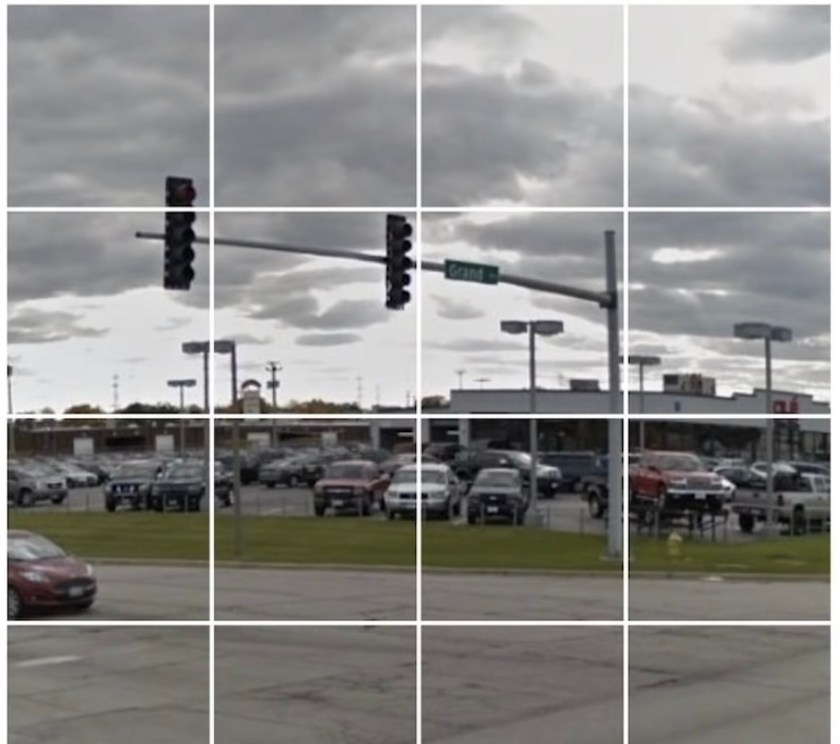
- Click all squares with motorcycles – “Do those two squares contain a motorcycle handle in addition to the hand of the person driving it?” (BUZZING – WRONG DECISION – RETRY)
- Now choose every image with traffic lights – no that’s a pole not a light! RETRY
- Rinse, repeat.
Save payment method?
- If I say no will you ask every time? I know you will. It’s as predictable as mud on a rainy day.
- If I say yes will you get hacked? Also I know you will. It’s as predictable as mud on a rainy day.
Autopay? Paperless billing? Confirm, confirm again, are you SURE, final confirm – CONFIRM
And it’s not just for paying bills online. It’s for BUYING MILK! IN PERSON!!
BUT IT DOESN’T JUST APPLY to these occasional bill payment scenarios (once a month or less). NOPE. It’s at the grocery store – any store for that matter. SOME variation of the following occurs:
Insert/tap/swipe?
- I’ve been tapping lately but sometimes the reader doesn’t pick up the signal from the (I’m sure it’s tracking chip) RFID chip.
- So then “insert.”
- If you pick the wrong method you inevitably start over.
Debit or credit?
- I literally want to know why they ask us this.
- Maybe 10 years ago it made sense but hasn’t technology caught up to us or why are we pretending that the same processing company doesn’t process both.
- WHY do I have to select?
- Answer: Payment preference data. They sell it to banks, credit card companies, marketing firms. Each prompt = data point = profit.
Cash back?
- Not usually – this one I’m whatever about because Liam likes not stopping at an ATM if he’s purchasing something already where he can get cash back.
- So I am chaotically neutral with this one.
Donate to [charity]?
Sign here?
- WHY? Just take my PIN.
- I feel this is a holdover from those days when the credit card had to be imprinted onto mimeograph paper by that little machine before technology caught on.
- Plus I’m signing illegibly on a hazy, scratched up terrible screen with plastic stylus that doesn’t really work.
- If someone stole my card? They’d have no problem forging my signature via this method.
- This is security theater. Performance. While they harvest your actual data behind the scenes.
Receipt? Email? Printed? Both?
- Listen, just give me my receipt on that BPA thermal paper and let me leave so the next person can get checked out.
Join rewards program?
- Chances are NO.
Rate your experience?
- Which experience? The one where I’m held hostage at the register in prompt hell requiring me to have a 1:1 meeting with self about all these decisions I’m required to make when I just ran in to buy some damn milk?
- Plus, guess what? I’m still IN the experience!
Energy Vampirism: Data Collection Via Unending Prompts – this is FRICTION BY DESIGN

Take the most simple of tasks – buying milk, paying bills online, verifying your insurance. Now add a load of administrative burden where you are forced to navigate a decision tree, answer three security questions, authenticate seven-ways-of-Sunday (and one of those ways will likely be wrong). What you’re doing is: providing (sellable) data points and giving them the opportunity to do so via your unreimbursed labor.
On its own? Each decision seems minor. But the accumulation of those decisions: EXHAUSTING. Literally sucking the energy out of you. Like one of those energy vampires you hear about? Except it isn’t a person (or an actual vampire). It’s your bank, your grocery store and even your insurance company.
You? You’re having human needs. You’re tired. You’re hungry. You’re stressed. You just want groceries. The card reader at the cashier: no less than 7 prompts before you can take your food and leave.
Result: You give up. You comply. You click to get through it. You resent it. You leave grumble-y. You write blog essays on the matter.
MODERNITY IS FAILING US.
This is decision fatigue as business model. Psychological warfare. Exhaust you into compliance.
WHO BENEFITS? WHO LOSES?
Let me be explicit.
WINNERS – Corporations:
- Decreased or eliminated postions – That’s easy, we reduce our labor costs eliminated
(cashiers, baggers, customer service reps, data entry clerks) - We get data
(bundled and eventually sold over and over again to third parties, then used for targeted marketing and building customer profiles) - Our customers donations result in tax credits for our corporation
(YOUR dollar = THEIR writeoff) - Customer performs free labor for something we used to pay someone to do
(checkout, data entry, market research)
Executives:
- Bonuses for their alleged “efficiency gains”
(job cuts + customer labor extraction = profit) - Stock options increase because of the extra cash we’re bringing in
(short-term gains from cost cutting)
Shareholders:
- Short-term profit from cost cutting
(quarterly earnings look damn impressive, repeat those numbers again!) - Long-term damage ignored – likely never to be addressed as satisfaction is minimized as profit is main focus
(customer resentment, service quality decline, community impact)
Tech companies:
- Sell self-checkout systems
(cost expensive equipment with ongoing maintenance contracts) - Sell prompt software
(payment processing and “customer engagement” platforms) - Sell data analytics
(mining customer information, bundling it and categorizing various aspect of the data then selling insights back to retailers)
LOSERS:
Cashiers:
- Jobs eliminated
(each self-checkout lane replaces, on average, 4 cashiers per store) - Remaining positions: lower hours, lower pay, worse conditions
Baggers:
- Jobs eliminated entirely
(customer bags own groceries now)
Customer service workers:
- Fewer hired
(we now have automated phone trees, chatbots, FAQ pages that all replace humans) - More abuse
(frustrated customers who has been on hold and through 15 prompts ends up taking it out on the few remaining workers)
Customers:
- Do unpaid labor
(do the checkout work, the data entry, the customer service navigation) - Hand their data over for free
(then it’s harvested, sold, used to manipulate future purchases) - Experience exhaustion
(via decision fatigue, prompt-hellscape and the administrative burden of it all) - Can’t just buy things anymore
(every purchase is a prompt battle)
Communities:
- Job losses
(economic impact with resulting local spending decline) - Social fabric fraying
(technology requires fewer human interactions, transactional relationships replace relationships) - Wealth extraction
(profits flow to distant shareholders and not the local economy)
This is upward wealth transfer disguised as technological progress.
In Closing: I just want to buy the thing and pay for the thing
My understanding – hell, EVERYONE’S UNDERSTANDING – was that electronic payments and technology were supposed to make transaction processes faster, easier and that you’d no longer have to wait for the person ahead of you to write the check.
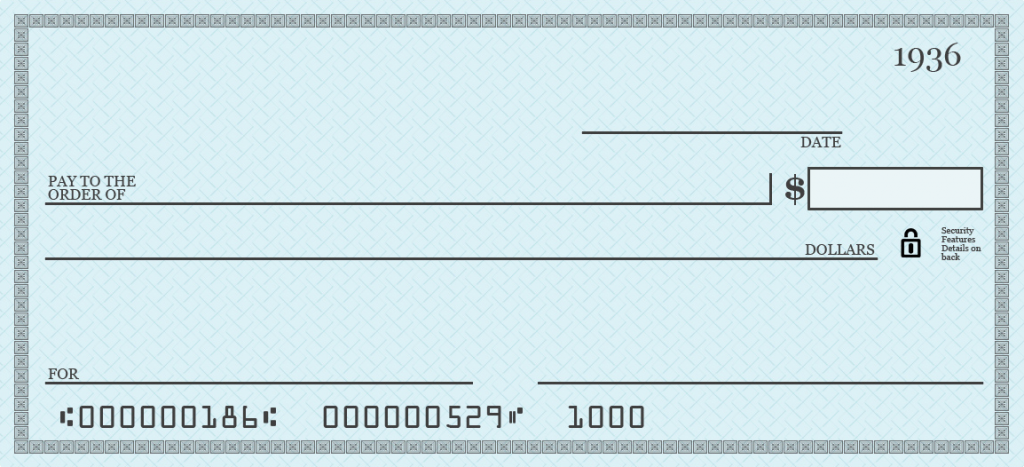
But honestly? WRITING THE CHECK was faster. Lines weren’t as long. People would sometimes socialize with each other as they were waiting for the person ahead of them to sign their check.
And on the plus you got to practice that cursive that you hardly get to use anymore. Also it was way easier to track your money.
Oh wait, that may be the actual be why we’re running cards willy nilly – an easier extraction method to derive profit from the consumer no longer tracking their dollars and cents (or their sense) in their checking account.
Let me say this clearly: I just wanted to verify my insurance payment.
It took about 14 prompts, a disconnected call, cell phone authentication, and no human confirmation to verify what I already knew: I paid.
I just wanted to pay my gas bill.
Took username recovery, password reset, security questions, robot verification, payment confirmation, page redirect confusion, delayed email, and starting over to pay a simple utility bill.
I just wanted to buy milk.
Took 5 separate prompts, on 5 separate screens, requests for my email, their Rewards program number, a question about donating to their charity (so they get tax credit), please rate my experience (still happening), and did my own checkout while they eliminated the cashier’s job.
Every “convenience” is a new extraction opportunity. Every prompt beyond “confirm amount?” is data gathering or just a form of theft:
- Free labor – you’re the cashier, bagger, data entry clerk, market researcher!
- Data harvest – emails, preferences, habits sold to highest bidder
- Guilt manipulation – donate at checkout = their tax credit, your dollar + you don’t get to see if that money actually goes to where they say it’s going. Just sayin’.
- Job elimination – cashiers, baggers, customer service replaced by YOU doing their work (for free, I might add once again)
- When I say the words “This is a type of psychological warfare.” I’m not being hyperbolic. You literally experience psychological effects that actually do affect you overall, including: decision fatigue, administrative exhaustion and finally your compliance because of the exhaustion
And if you complain? You’re the one “resistant to progress.” You’re “making it complicated.” You’re “holding up the line.” You’re “just not tech-savvy.”
You’re a “Karen“.
But none of the above.
“THEY”[1] made it complicated. For profit. By design. They named it “convenience” while extracting:
- Your labor (unpaid)
- Your data (sold)
- Your money (guilt donations)
- Your time (prompt hell)
- Your sanity (decision fatigue)
- Your jobs (cashiers, replaced by you)
Do you see the pattern now?
This is the same playbook as healthcare reform (customer service theater replacing care), CEU wage theft (mandatory unpaid training for nurses and other professionals), private equity destruction (extract value, eliminate jobs, profit) runs, just packaged a bit different.
The extraction is always framed as some benefit. Shift labor to the victim. Harvest additional value, every bit of it, from your customer. Gaslight any complainers.
I wish they would be honest and bold enough just to call it what it actually is. Theft.
I just wanted to pay for the thing.
They wanted my labor, my data, my compliance, my guilt, and my silence. That doesn’t feel like a transaction to pay for the thing. That’s an extraction of money, time, energy, labor.
Put it on the list. Partż pamiętaj.
[1] ‘They’ – I’ve spent this whole essay talking about ‘they’ – well here’s the short answer: they – the credit card processors — you know the biggies: Visa, Mastercard, Discover, Amex. They extract fees from retailers (like my own small business) via their stack on fees + the data they extract from you. They – WalMart, Target, Kroeger, etc etc. Every retailer that installed self check-out lanes that have eliminated about 4 cashier jobs + bagger jobs/store for each self check-out. They – insurance companies by a myriad of ways including playing in the stock market with your premiums and then increasing your premiums to cover their losses. Plus the need to go through prompt after prompt to get to a customer service rep to verify payment already made. They – utility companies and their paperless billing. Saves THEM postage + the added bonus of installing cookies on their sites so you are tracked online. They – CSuite executives that get bonuses for things like “efficiency gains” which is barely veiled for eliminated jobs because the customer is now doing unpaid labor for us. They – the shareholders (which if you have a 401k or the like – you are paying and receiving gain for the same system you are tired of – it’s an ugly ouroborus). The shareholders get the quarterly profit increase regardless of the human cost. They – the management consultants who sold us this playbook. (McKinsey probably [2]) THEY isn’t an abstract, faceless, nameless concept. It’s the system. The CEO salaries, quarterly earnings reports, etc. They made billions upon billions. You? Get to bag your own groceries and get to struggle with prompts they designed to extract more data, MORE MONEY, out of their customers. They? Well they know what they’re doing.
[2] McKinsey: they make a lot of money “optimizing” companies and designing methods of extracting the most bang for one’s buck. Ultimately if you question why a corporation destroyed your job or made you do unpaid labor or turned simple transactions into a prompt hell-scape, McKinsey maybe (probably) consulted on it. For premium fees. They also consulted for Purdue Pharma during the opioid epidemic (advising how to “turbocharge” sales), also have worked with ICE on detention policies – yes even our gubament plays in that game, and once upon a time this they helped Enron with accounting strategies. But sure, self-checkout is “innovation”. It’s good for you! Don’t question it. OBEY. My point? It’s always framed as if it’s good for you (or framed around saving “the children”.)